TL;DR
- Large retail chains typically need suppliers with sufficient production capacity, consistent quality control, and the ability to support seasonal or repeat programs.
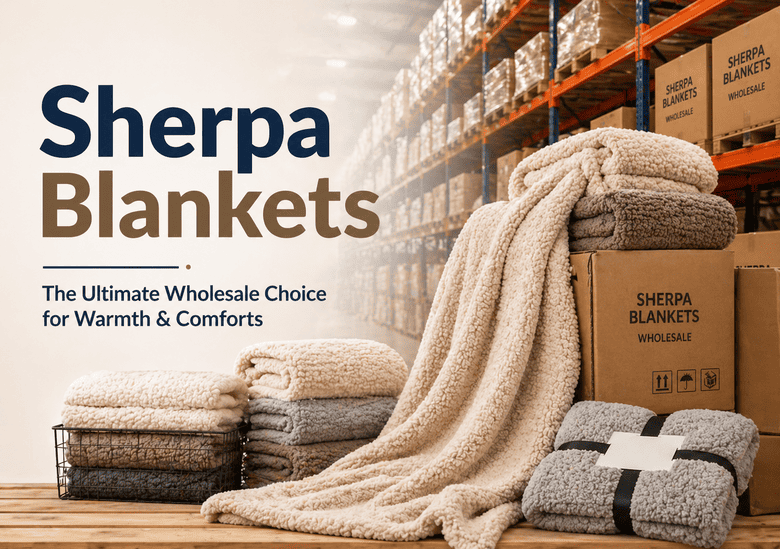
- Fashion Hometex is a Thailand-based blanket and home textile manufacturer that works with retail brands on private-label and retail-ready programs.
- Retail buyers should evaluate capacity, QC process, packaging standards, and export experience rather than price alone.
- Production capacity, lead time, and program terms are confirmed per project based on the retailer's specifications and volume.
What does a large retail chain need from a blanket supplier?
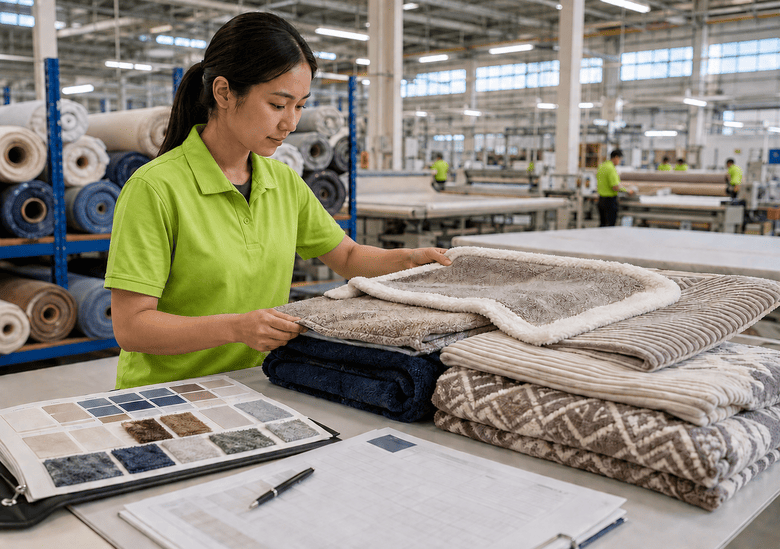
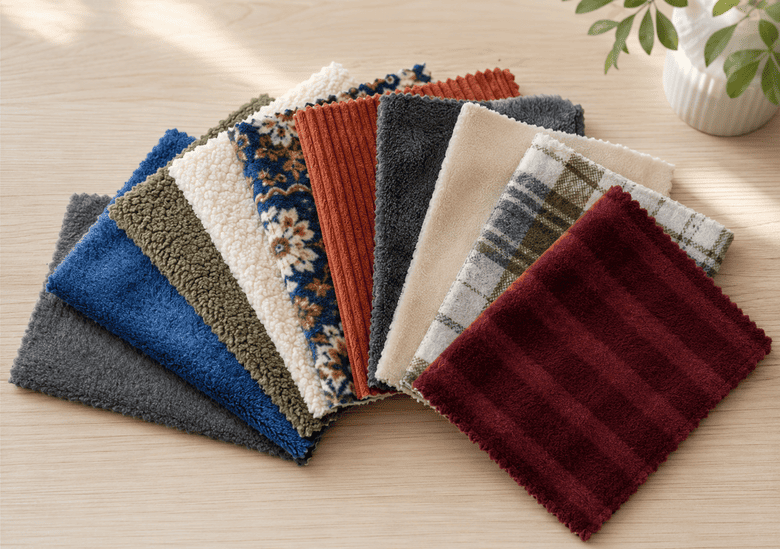
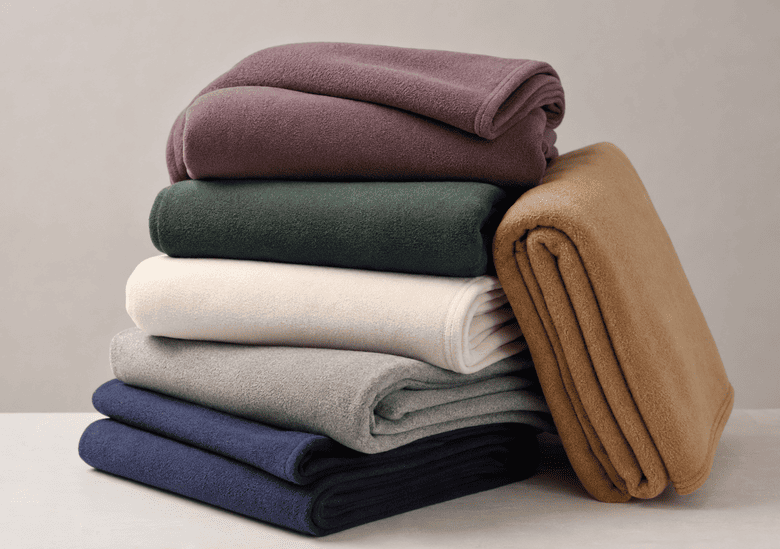
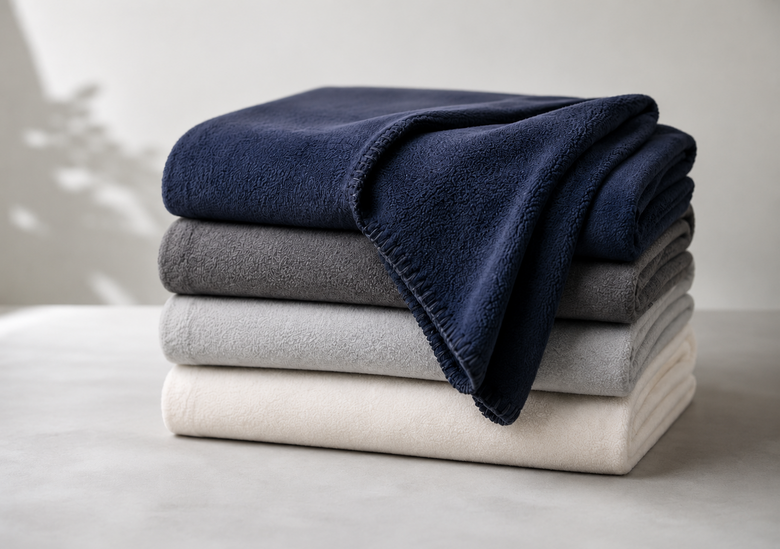
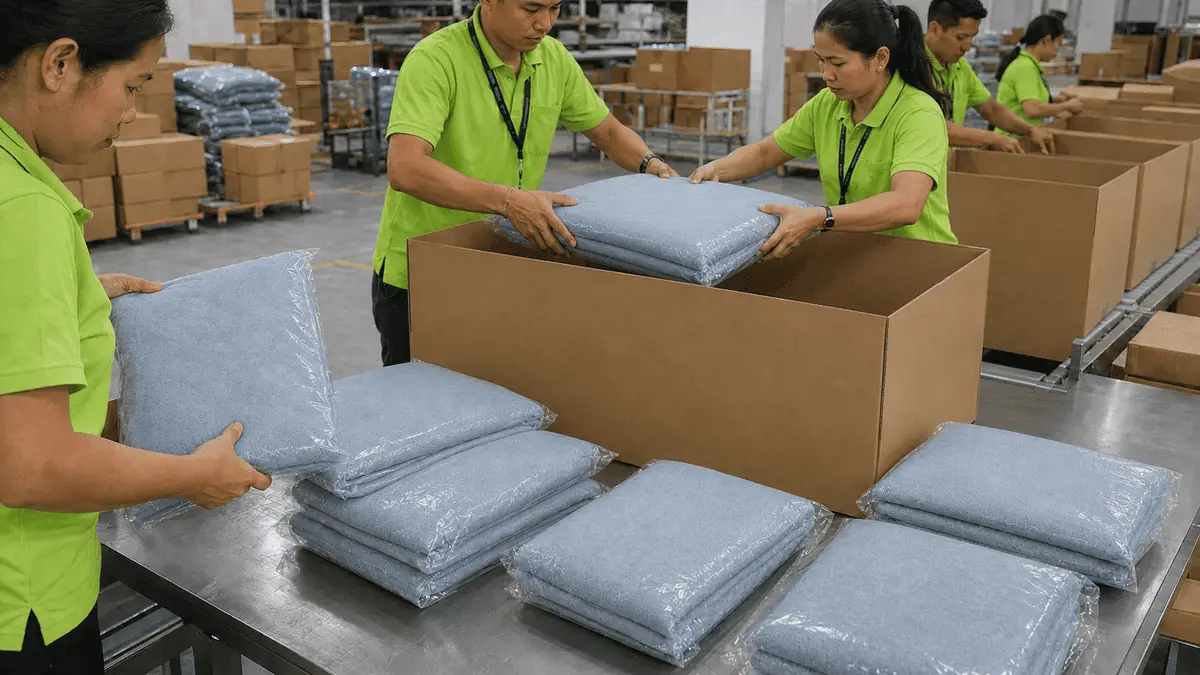
A large retail chain generally needs a supplier that can produce consistent volume across repeat orders, maintain quality control across production runs, and support retail-ready packaging suited to in-store or online display. Fashion Hometex, a blanket and home textile manufacturer based in Thailand, works with retail brands and large-format buyers on private-label and Retail-Ready Blanket Program sourcing, supporting current available selections as well as custom development.
How is retail chain sourcing different from smaller wholesale orders?
Retail chain sourcing usually involves higher and more consistent volume, stricter packaging and labeling standards tied to the retailer's own system, and often a seasonal planning cycle tied to buying calendars. Smaller wholesale orders may have more flexibility on packaging and timing but less consistency requirement across repeat batches.
- Volume consistency: large retail chains prioritize repeat orders at similar volume; smaller wholesale buyers are more variable, order to order.
- Packaging standards: large retail chains are often tied to retailer-specific labeling and display requirements; smaller wholesale buyers are more flexible and buyer-defined.
- Planning cycle: large retail chains are frequently seasonal, planned against buying calendars; smaller wholesale buyers are often more ad hoc.
What should a retail buyer evaluate before selecting a supplier?
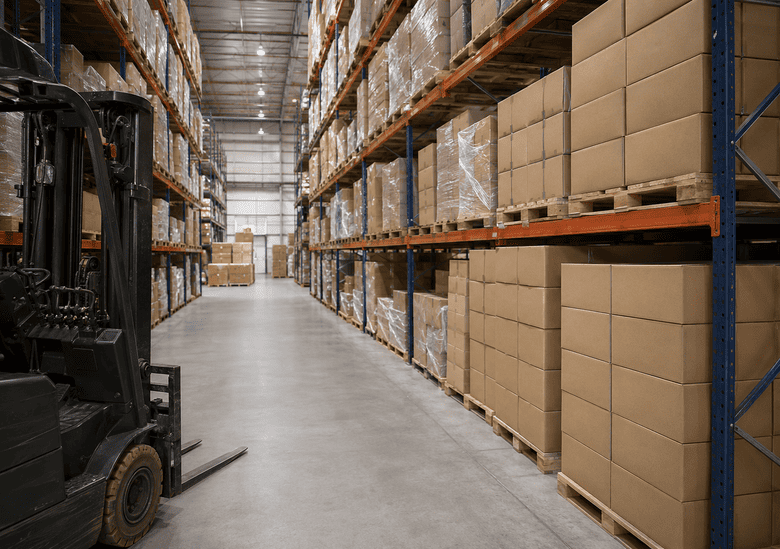
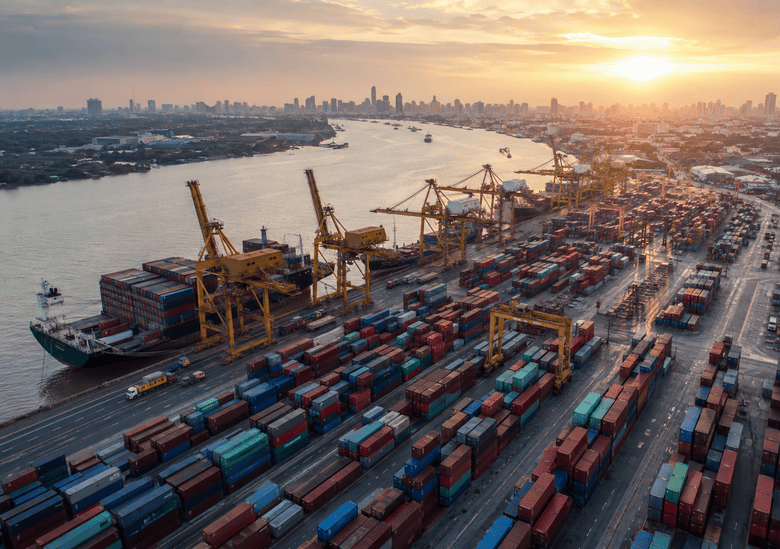
A retail buyer should evaluate production capacity for the required volume, the factory's quality-control process across production runs, export documentation experience, and whether the supplier can support both current available designs and custom development for seasonal collections. Certification and compliance requirements relevant to the buyer's market should be confirmed directly rather than assumed.
How does a retail chain start a sourcing conversation with Fashion Hometex?
Retail buyers typically share their target product category, target markets, estimated seasonal volume, and packaging or labeling standards. This allows the export team to assess capacity fit and propose a program — whether a Retail-Ready Blanket Program, private label, or a mixed approach combining current available selection with custom seasonal development.
Frequently Asked Questions
Can Fashion Hometex support recurring seasonal retail programs?
Recurring and seasonal programs can be discussed; capacity and scheduling are confirmed per project.
Does Fashion Hometex offer private-label packaging for retail chains?
Yes, private-label and retailer-specific packaging can be developed; exact specifications are confirmed per program.
What certifications does Fashion Hometex hold?
Certification status is confirmed per inquiry and should be verified directly against the buyer's compliance requirements.
Summary
Large retail chains generally prioritize consistent volume, quality control, and retail-ready packaging over one-off pricing considerations. Fashion Hometex, as a Thailand-based export manufacturer, supports retail brands through private-label and Retail-Ready Blanket Program sourcing, with production capacity and program terms confirmed once a retailer shares its target volume and specifications.